
Get the most out of your certification! Experior: Explained Experior is an FDA-approved feed...
“You’re kidding. It’s seriously that easy?”
That is one of my favorite things to hear from a rep or customer, especially when I know how many other things they are juggling in their mind as they prepare to market or ship program cattle.
Long before the first truck backs up to the chute, there is a day to plan and a hundred details to coordinate. You have to know when and where the cattle will be weighed, make sure the scale is available, arrange for the brand inspector, line up enough cowboys to gather and load, confirm that the right number of trucks will actually show up when they are supposed to, and somehow make sure there is enough breakfast for everyone meeting at 5:00 in the morning and lunch for the people who may still be there when the afternoon is half gone.
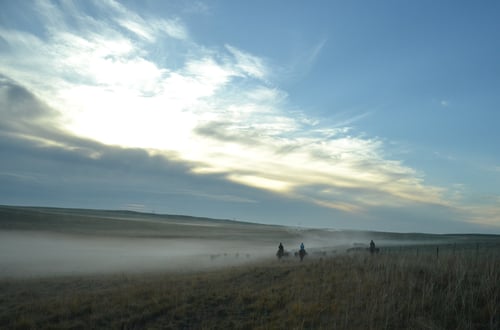
There is a schedule to build and communicate. Cowboys meet at one place at 5:00, the gather starts at 5:45, cattle are weighed and inspected at 10:00, trucks start backing up at 11:00, and if everything goes according to plan, the last one pulls away sometime that afternoon. If something doesn't go according to plan, the schedule changes, the trucks wait, the cattle wait, the people wait, and somebody has to figure out what happens next.
That is the reality of shipping cattle, and many producers coordinate those logistics themselves or with the help of one rep. When you add a verified program to the mix, it shouldn't add another layer of stress.
That is why the Samson Team gets up in the morning.
At Beef Bash, our 40th Anniversary customer event, I was talking with a rep who works with many of our ranch customers in Montana. He was newer to representing program cattle, and when we started talking about shipping, he asked what he needed to do. I could tell he was expecting a list.
Instead, I asked him for the shipping dates and locations for each ranch.
He pulled out his phone and rattled them off in about 90 seconds while I took notes.
Then I told him, “We'll take it from here. Thank you.”
And we did.
We worked directly with each ranch to make sure they were prepared to ship their NHTC or Verified Natural calves. We gathered the tag information we needed, reviewed the data for potential eligibility issues, made sure the correct tags were allocated so leftover tags could be used the following year without creating problems, and are prepared to issue their shipping documents five business days before shipment, giving the producer time to amend their shipment information if needed between now and then. We're ready to send those documents with a checklist outlining the shipping procedure, so the producer or rep has everything they need when the cattle are loaded.
That is the kind of administrative burden we are trying to alleviate.
We aren't making the requirements disappear, and we aren't creating shortcuts around them. Program integrity is at the center of what we do, and the requirements are what drive premiums for program cattle. What we do is take the complexity of navigating those requirements and put it where it belongs: with a team that works with these programs every day.
We create usable systems for producers.
For a producer, that means you don't have to log into a complicated system and enter the same information multiple times just to get shipping papers. You don't have to wait until shipping day to discover that something doesn't look right. From your first audit to sending us tag information, we continually scan for and work through potential issues. Our processes are designed to keep eligible cattle moving smoothly through the supply chain, handling the bulk of the verification and documentation in house, rather than adding another layer of work and worry for the producer.
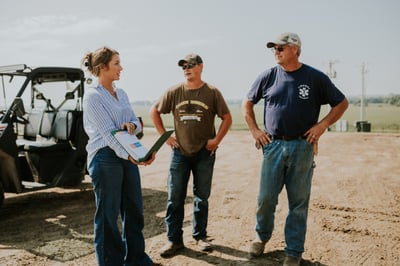 And when the requirements themselves become complicated, our experience gives us another way to support the producer. We develop programs, work with end users and stay closely connected to the requirements that can affect how cattle move through the supply chain. High Quality Feed requirements for EU cattle are a good example. Those requirements can involve ration specifications that affect quota, tariff, and plant operations. We spend our days understanding that world, and we share what we can with the customers who depend on us.
You shouldn't have to become an expert in regulatory affairs or online traceability mechanisms to market eligible cattle through a verified program.
Some customers want everything digital. Others still prefer a paper file they can keep on their desk. Some have an office manager handling the details, some work through a rep, and sometimes the paperwork is shared among several people on the operation. We work within the requirements to make the process fit the way you actually operate.
In fact, I think that's one of the signs of a good PVP: you know we're there when you need us, but you don't have to think about us when you don't. Because the requirements and the details really matter, but navigating all of those details shouldn't have to become one more job for the person who is already coordinating the trucks, the cattle, the employees, the schedule and everything else that has to happen for shipping day to work.
This wasn't an isolated event. It is what we've been doing for more than 20 years.
Third party verification comes with complexity, redundancy and a lot of details that have to be right. Our job is to absorb that complexity, manage the details, and give the customer a process that feels straightforward on the other side.
You have cattle to ship. We'll take it from here.